 Burnby
Dance and Aerobics for Fitness: Who It Suits and How to Start
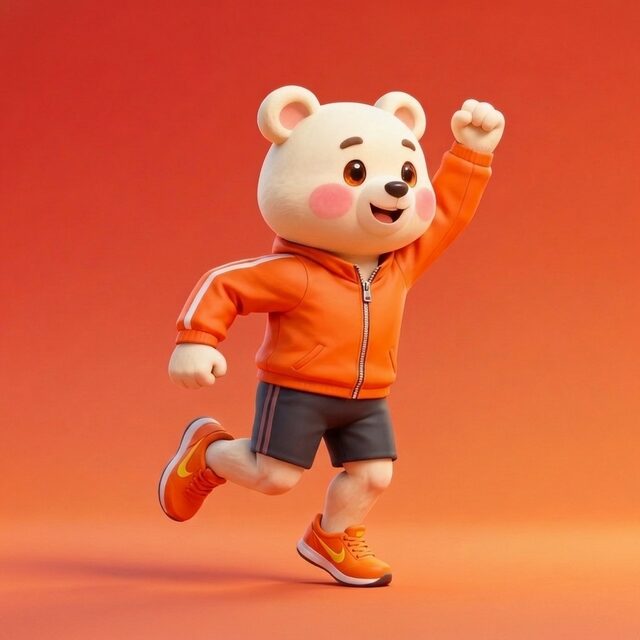
Dancing and aerobics suit people who find regular workouts boring and like music, rhythm and company. You can start at home with a 15 to 20 minute low-impact video, or join a beginner class, and build up to 30 to 60 minutes. A 30-minute low-impact session burns roughly 140 to 180 extra kcal for a 70 to 90 kg person, and a lively class like Zumba burns more.
Who is dance a good fit for?
It is a good fit if enjoyment is what keeps you moving, if you like learning steps, or if you want a social activity. A review of 28 studies compared structured dance programmes with other structured exercise. Dance improved body composition, blood markers and muscle function at least as much, and heart and lung fitness about equally.
Low-impact styles, where one foot always stays on the floor, suit beginners, older adults and people with sore joints. Higher-impact styles with jumps suit people who already exercise regularly.
It is less of a fit if quick turns and changes of direction worry you because of balance or knee problems. Pick a seated or low-impact class, or start with walking.
How do you start dancing for fitness in the first weeks?
| Week | What to do |
|---|---|
| 1 | 15–20 minutes of a low-impact video or beginner class, 2–3 days |
| 2 | 20–30 minutes; follow the moves at half speed when needed |
| 3 | 30–40 minutes, or a full beginner class |
| 4 and later | 45–60 minutes, or a more energetic style if you like |
You do not have to get the steps right. Keep moving, march on the spot if you lose the pattern, and join in again.
How hard should dancing feel?
Use the talk test: you can speak in full sentences but could not sing. Classes often have faster parts. Make the moves smaller or march in place to bring your breathing back down.
Effort depends on the style and on you. Bigger arm movements, deeper steps and small jumps make it harder; smaller movements make it easier.
What heart rate should you aim for when dancing?
In a dance class, heart rate goes up and down with the music and the moves. Jumps, fast parts and big arm movements push it towards the vigorous range; slower songs bring it back down. Aim to spend most of the session in the moderate range. Low-impact versions, without jumps, make that easier.
| Age | Moderate | Vigorous |
|---|---|---|
| 20 | 100–140 bpm | 140–170 bpm |
| 30 | 95–133 bpm | 133–162 bpm |
| 40 | 90–126 bpm | 126–153 bpm |
| 50 | 85–119 bpm | 119–145 bpm |
| 60 | 80–112 bpm | 112–136 bpm |
| 70 | 75–105 bpm | 105–128 bpm |
The ranges use 220 minus age, as the American Heart Association does: moderate is about 50 to 70 percent of that maximum, vigorous about 70 to 85 percent. They are averages, and your own numbers can differ by 10 beats or more. If the number and your breathing disagree, trust your breathing. The cardio guide has the full table and when these ranges do not apply.
How many minutes of dancing balance a meal?
Burnby uses the 2024 Adult Compendium of Physical Activities: 4.8 MET for low-impact aerobic dance at moderate effort (code 02005) and 6.5 MET for a Zumba group class (code 02310). It counts only the energy on top of what you would burn at rest anyway (net calories).
| Food and style | 70 kg (154 lb) | 90 kg (198 lb) |
|---|---|---|
| 250 kcal snack, low-impact | about 54 min | about 42 min |
| 250 kcal snack, Zumba-style | about 37 min | about 29 min |
| 600 kcal meal, low-impact | about 129 min | about 100 min |
| 600 kcal meal, Zumba-style | about 89 min | about 69 min |
These are estimates, and Burnby shows a range around each number. Dance sessions vary a lot, from gentle to very energetic. You do not have to dance off each meal: Burnby looks at your whole day and only the gap to your goal becomes minutes.
What do you need, and how do you stay safe?
- Shoes: trainers with some support and a sole that lets you turn. Very grippy soles can catch on the floor during turns.
- Space: a clear area at home, away from furniture, with a floor that is not slippery.
- Water: have it nearby; dance classes are sweaty.
- Your own level: follow the low-impact option the instructor shows, or make the moves smaller.
Stop and get medical help if you feel chest pain or pressure, dizziness, faintness or unusual shortness of breath.
What are common mistakes?
- Trying to keep up with the instructor from day one. Do what you can, at your own pace.
- Jumping before you are ready. Start with low-impact moves; add jumps after a few weeks if your joints are happy.
- Twisting on a planted foot. Let your feet pivot with your body during turns to protect your knees.
- Skipping the warm-up. Most classes start gently for a reason. Arrive on time.
How do you get more out of dancing?
- Start low-impact. Keep one foot on the floor until your fitness and joints are ready for jumps.
- Make the moves bigger as you get fitter. Fuller arm movements, deeper steps and moving around the room raise the effort.
- Follow a class or a set routine. A structure keeps you moving for the whole session instead of stopping between songs.
- Pick music you love. Faster songs lift the pace; slower ones make a good warm-up and cool-down.
- Dance longer, not only harder. Building up to 30 to 45 minutes does more than a few very intense songs.
How does dancing fit with Burnby?
Log each session as dance/aerobics. Burnby counts it like any other cardio, so a class you enjoy can cover your minutes for the day. You can get your own plan in a couple of minutes.
This article is general information, not medical advice. If you have heart, lung, joint, balance or metabolic problems, or are pregnant, talk to a doctor before you start.
FAQ
Does dancing count as cardio?
Yes. When your breathing picks up and you can talk but not sing, it is moderate activity, the same as a brisk walk.
Is Zumba good for beginners?
Many classes are beginner friendly, but they can be fast. Start with a beginner or low-impact class and make the moves smaller when you need to.
Can I dance at home?
Yes. Online videos and your own music both work. Clear some space and wear trainers.